Find the best premium shopify theme for your store by comparing native features, design flexibility, mobile experience, support, and license terms.

Thomas GiraudLinkedIn
Co-founder of FullStack, founder of the CRO agency The Deployer
A theme’s price is only part of its cost. The apps, custom work, and layout limitations it leaves you with matter too. If you are looking for the best premium Shopify theme for flexible layouts and built-in selling features, our best Shopify themes overview is a starting point. Your best fit depends on your catalog, content, and how much control you want over the storefront.
Look beyond the demo homepage. Check product pages, collection navigation, cart behavior, and how the design holds up on a phone. Google’s Core Web Vitals guidance sets practical targets for loading, responsiveness, and visual stability, but a theme is only one part of a live store’s experience.
For merchants who want extensive native features and room to reshape layouts in Shopify’s editor, our recommendation is the FullStack theme. Its feature breadth, page templates, and flexible block system suit stores that want to handle more recurring storefront work without adding a page builder.
| Rank | Theme | Native features | Customization | Price and license |
|---|---|---|---|---|
| 1 | FullStack theme | 100+ features, 35 sections, 44 public blocks, and 60 private blocks | Nested blocks, flex or grid layouts, and 29 composition presets | €24.90/month or €199/year; one license covers one store |
Best for: Merchants who want a broad set of built-in selling tools and substantial layout control in the native Shopify editor.
Version 2.5.0 includes 100+ native features across 35 sections, 44 public blocks, and 60 private blocks. Its Group block supports flex or grid layouts and nesting, with 29 composition presets. That gives merchants practical options for reshaping page layouts without relying on a separate page builder.
The feature set covers product pages, collections, navigation, and cart workflows. Examples include quick add, filtering and sorting, predictive search, bundles, cross-sells, upsells, quantity breaks, sticky add-to-cart, and a cart progress bar. Twelve one-click product and landing page templates offer a prepared starting point; one theme style is included, while advanced styles cost €34.90 each.
The theme is developed by the team behind The Deployer, a Shopify CRO agency with seven years of e-commerce experience, more than 150 store redesigns, and hundreds of A/B tests. The brief notes that dozens of winning tests informed theme options; this experience explains the conversion focus, but does not promise a particular result for an individual store. The FullStack theme has more than 10,000 installations and a 4.9/5 rating across 221 Trustpilot reviews.
Pros
Cons
Start with the parts of your store that shoppers use to find and evaluate products. A store with hundreds of products may need flexible collection filters, sorting, predictive search, and clear navigation. A focused catalog may benefit more from configurable product pages, size guides, reviews, and relevant cross-sells. Compare actual features with your store’s needs rather than counting every setting in a demo.
Then look at mobile product pages. Images, product details, variant controls, and the add-to-cart action need to remain easy to find and use on a small screen. Baymard’s 2026 product-page benchmark, based on more than 30,000 manually rated usability scores, found that 38% of benchmarked mobile sites had a decent or good product-page UX. A theme can provide useful building blocks, but your content and page setup still matter.
Customization depth is another key criterion. Check whether the theme lets you change page structure, not only colors and fonts. If you regularly build campaign landing pages, add sections, or adjust offers, test how much you can do in the editor before depending on apps or paid development. Our article on high-converting Shopify themes offers more context on evaluating those storefront choices.
Compare the total cost of ownership, not just the displayed theme price. List the apps you pay for and identify which features you actually use. Then check whether the theme includes those functions natively, whether the features suit your workflow, and whether removing an app would affect other parts of your store.
For the FullStack theme, our estimate is that its included features could replace up to €790/month in app costs. That estimate is based on 32 priced features mapped to 42 identified apps; actual avoided costs depend on which apps your store would otherwise need. Treat it as a comparison point for your own app stack, not as a guaranteed saving.
FullStack’s license is €24.90 per month or €199 per year, with one subscription covering one store. The annual option saves about 33% compared with paying monthly for a year. Include the renewal terms, support, updates, and the cost of any remaining apps when comparing subscriptions with one-time purchases.
Build a realistic draft before deciding. Add representative products, collections, images, and your usual app embeds. Check the homepage, collection pages, product pages, and cart on both desktop and mobile, then try common tasks such as searching for a product, changing a variant, and applying a discount code.
Use real storefront content during performance checks. Google’s Core Web Vitals targets are a largest contentful paint within 2.5 seconds, interaction to next paint under 200 milliseconds, and cumulative layout shift below 0.1. These are useful measures to review on your own pages; they are not a guarantee of rankings or sales.
Shopify’s theme preview and buying workflow lets merchants customize a paid Theme Store theme before buying it. Shopify also notes that theme-specific settings and customizations are separate from products, collections, menus, and pages, so plan to check and recreate those settings when switching themes.
The best premium Shopify theme for your store is the one that fits your catalog, gives you the controls you will actually use, and works with your budget and maintenance preferences. Compare product and collection workflows, test mobile pages with real content, and review the license and update terms before committing. For merchants who value extensive native functionality and flexible page layouts, FullStack is a practical option to evaluate through its free trial.
Once you have listed the features your store needs, compare them against the theme’s editor, templates, license, and support. If reducing reliance on separate apps and building pages within Shopify’s editor are priorities, the FullStack theme is designed around those needs.
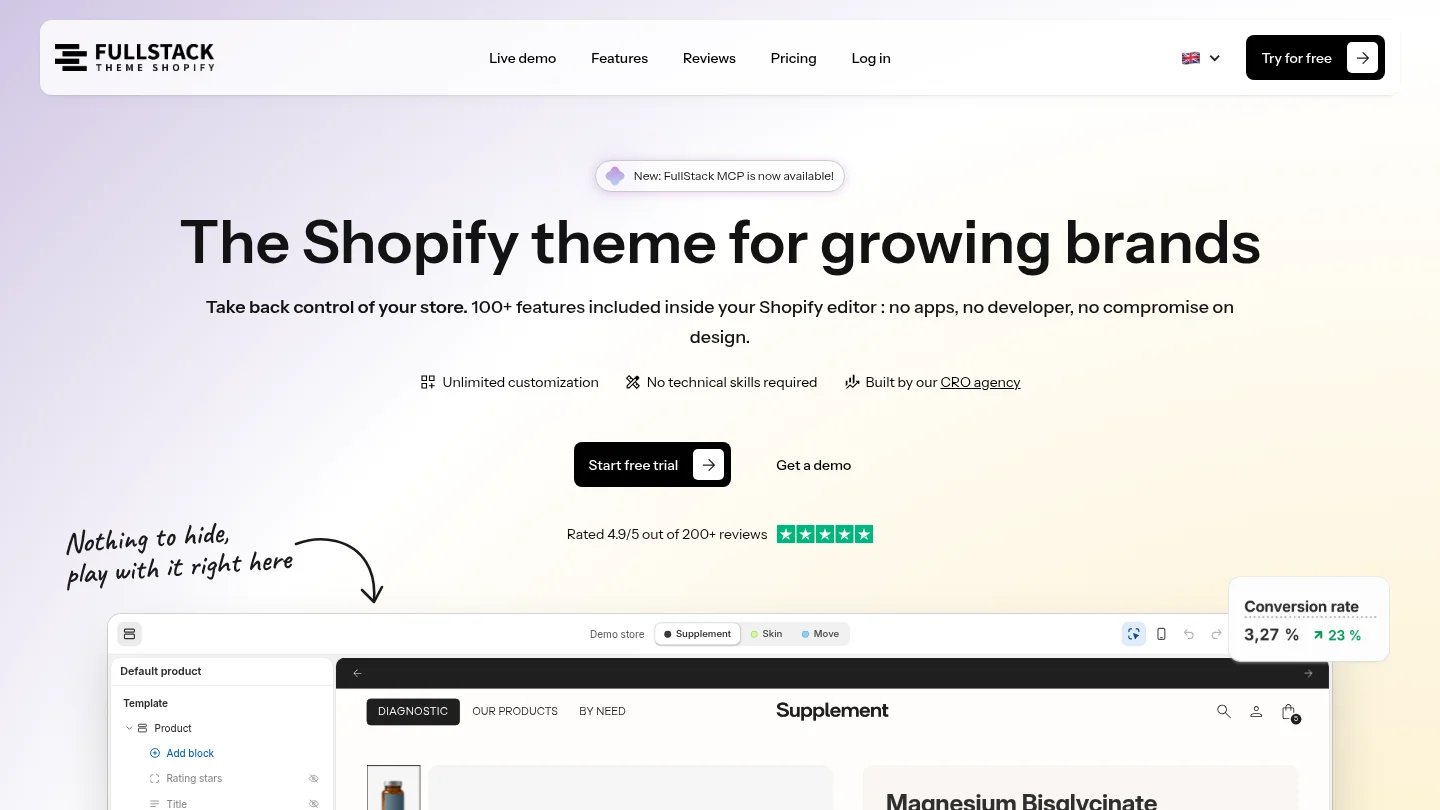
FullStack includes 100+ native features, 12 one-click page templates, training, guides, updates, the Updater, and support every day, in every language. Try it for 14 days with a credit card; cancel during the trial and you will not be charged. Review our Shopify themes to see whether the FullStack theme fits your storefront and license preferences.
Start with the features your catalog and shoppers need, then compare layout control, mobile usability, support, updates, and license terms. Test those essentials with real products and content before publishing.
It can include features that overlap with some apps, such as filtering, upsells, or cart tools. Check each feature against your actual app setup before removing anything.
Yes. A subscription has a recurring fee, while a one-time purchase is paid upfront under its license terms. Compare what each includes, such as updates and support, along with the total cost over the period you expect to use it.
Yes. Review product images, navigation, variant selectors, and cart controls on a phone-sized screen. A clean desktop preview does not show how every page will feel on mobile.
No. A theme provides layouts and features, but it cannot guarantee a business outcome. Product-market fit, pricing, content, merchandising, and how the store is configured also matter.

Replace your apps with one Shopify theme
 4.9/5 · 10,000+ installs
Cancel during the trial and you won't be charged
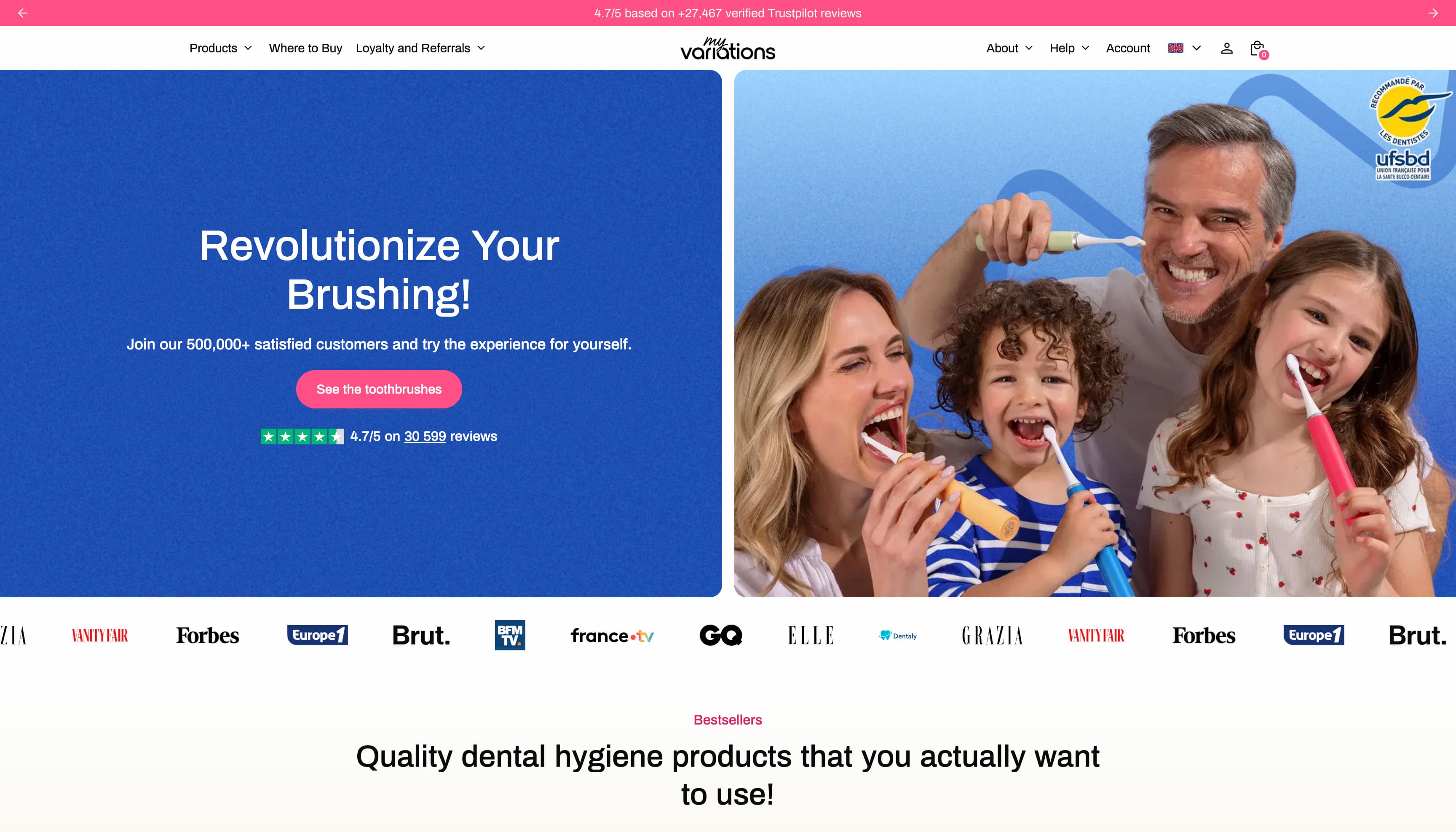
The oral care brand migrates to a technical foundation fully controlled in-house. Fewer apps, more velocity, and a storefront that finally matches the brand's image.
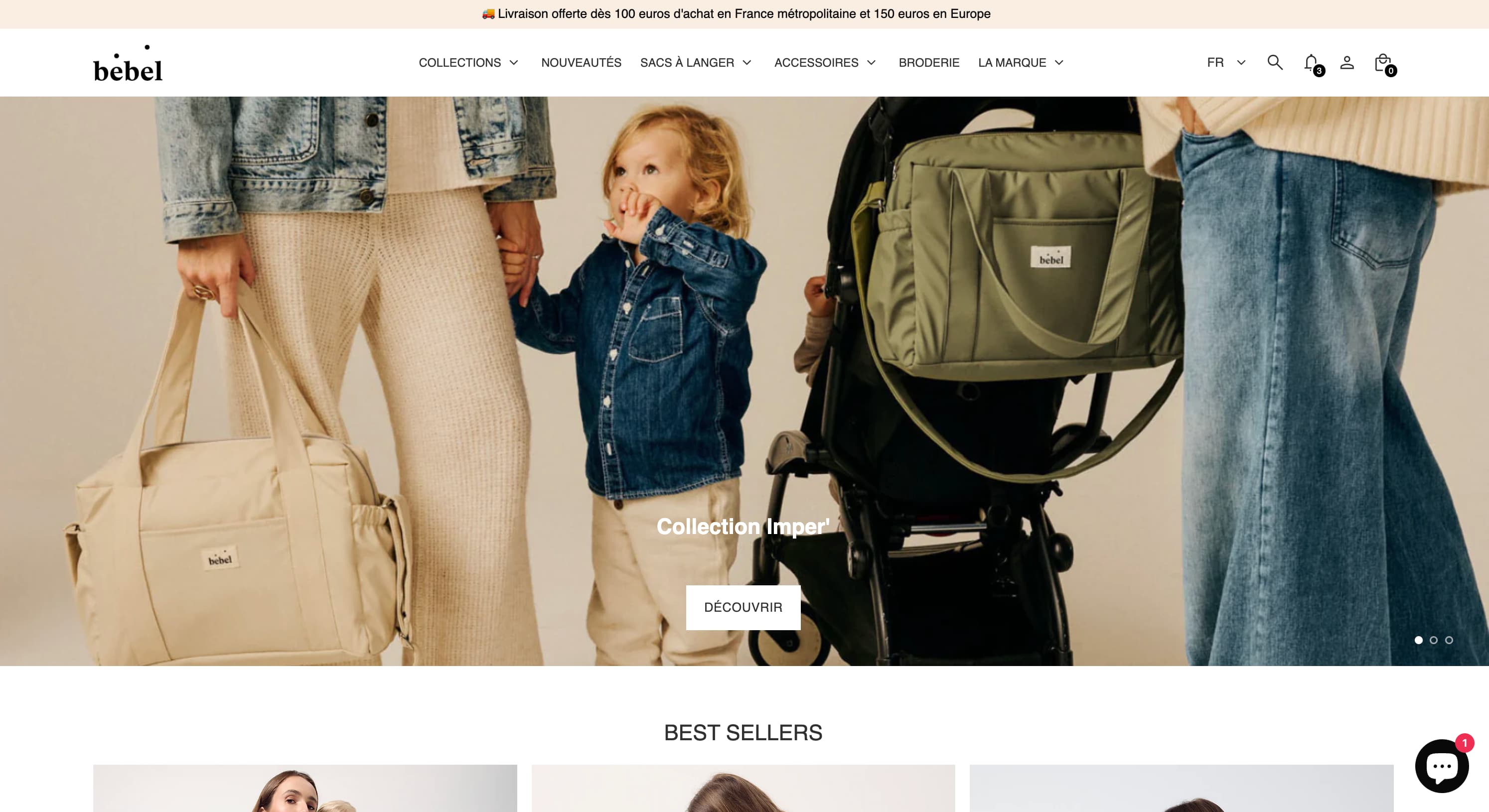
Changing bags, sleep sacks, Oeko-Tex double gauze — a like-for-like rebuild of the made-in-France baby care store on Theme FullStack, delivered by The Deployer.
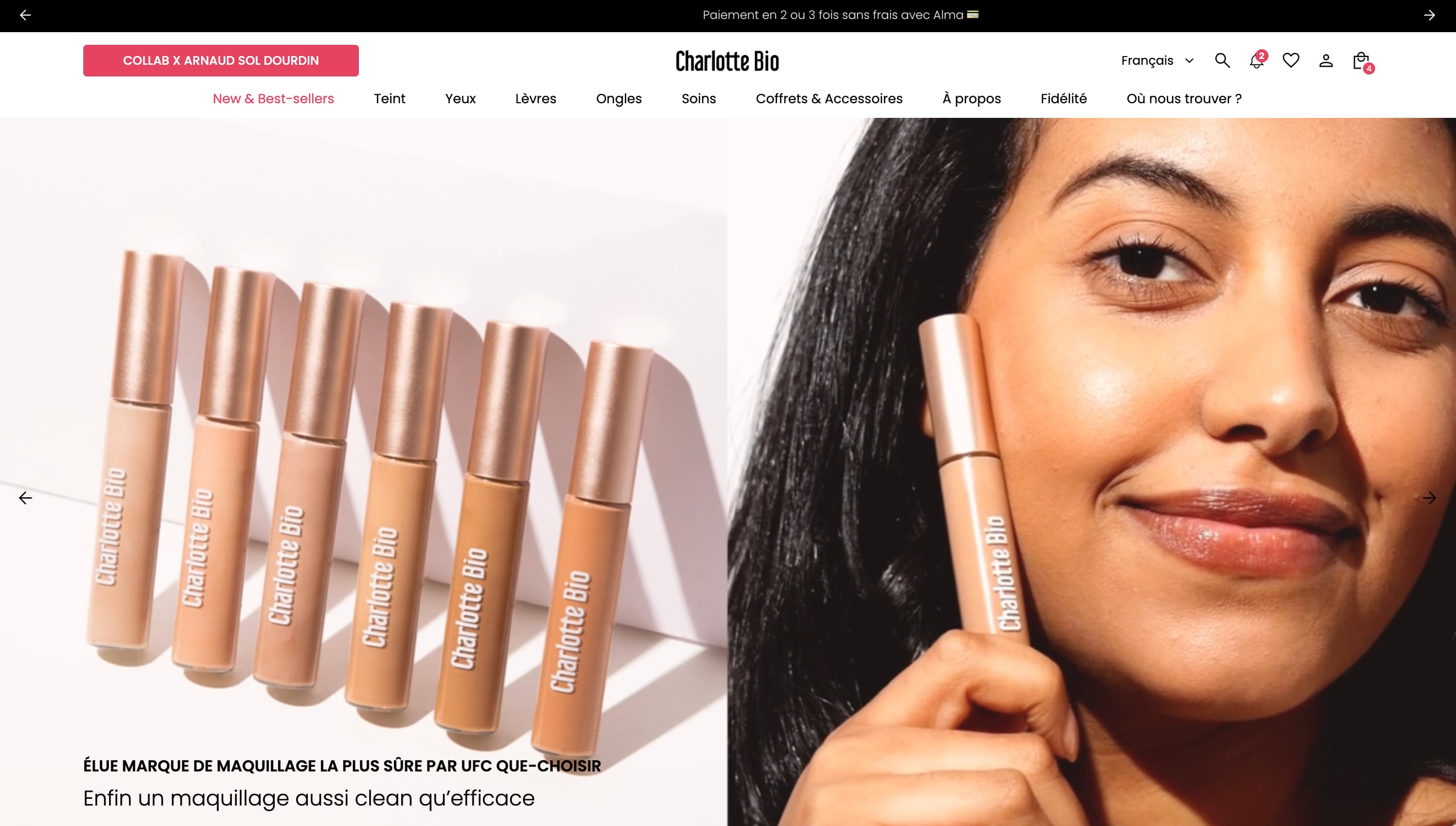
Visual mega menu, custom pack builder, FR/EN/ES internationalization, cart cross-sell — a full redesign on Theme FullStack executed by The Deployer.
Rated 4.9/5 out of 200+ reviews


Rated 4.9/5 out of 200+ reviews